342 W. Woodlawn Ave Suite 300 San Antonio, TX 78212

Get My Free Consultation
What Does Probate Mean When Someone Dies
Have you ever wondered what probate means when someone dies? The complex and often misunderstood world of probate plays a significant role in the administration of a deceased person’s estate. It requires a comprehensive understanding of probate, its various aspects, and how to navigate it effectively.
With it being a complicated subject, it’s ideal to enlist the help of a knowledgeable attorney at Prince Contreras PLLC. Contact us and gain clarity on probate matters. Our experienced attorneys at Prince Contreras PLLC are here to guide you through the intricacies of estate administration. Call 210-227-7821 for a free consultation, ensuring you make informed decisions during this challenging time.
Demystifying Probate: The Essentials

The term “probate” may seem intimidating, but it is simply the legal process of administering a deceased person’s estate. When someone dies, their assets must go through a court-supervised proceeding called the probate process to ensure proper distribution. This process involves:
- The appointment of an executor or personal representative
- The identification and appraisal of assets
- The settling of debts
- The distribution of the remaining assets to legal heirs
The duration of the probate process varies depending on factors such as the complexity of the estate and other unique circumstances.
You should be aware that the probate process commences as soon as the executor acquires a certified copy of the death certificate and files it with the county clerk. The executor is the person responsible for initiating the probate process and managing the deceased person’s estate. The process typically takes place in the county where the deceased person resided or held property.
The Role of Probate Court
The probate court serves a significant function in supervising asset distribution and debt payment following an individual’s passing. The court’s primary responsibility is to ensure that the deceased person’s assets are distributed fairly and in accordance with their wishes or the laws of the jurisdiction. To achieve this, the probate court meticulously evaluates the assets and ensures that valid debts are paid before allocating the residual assets to the legal heirs.
The probate court also has the authority to decide on the validity of a will. This involves reviewing the evidence and determining if the will meets the necessary legal criteria. Factors such as the legitimacy of the will, the testator’s mental state, and the presence of any coercion or deception are taken into account. Ultimately, the probate court has the final say on whether a will is valid.
Executor or Personal Representative Duties
 The role of executors or personal representatives is significant as they are tasked with managing the estate of the deceased, settling outstanding debts, and allocating assets to beneficiaries. This is a significant responsibility and requires the executor to act diligently and in the interests of the estate and its beneficiaries.
In the event of an estate with no named executor, any heir or beneficiary to the will can apply for the appointment of an administrator. This position, which is the equivalent of an executor, is open to any person who stands to inherit from the estate. Executors are also required to post a bond equal to the amount of probate property contained within the estate, which serves as insurance against any potential mismanagement or fraud.
To keep all interested parties informed, the executor must file a form containing the names and addresses of heirs and beneficiaries, notifying them that the probate process has commenced.
The Triggering Event: When Probate Becomes Necessary
Probate becomes necessary in the following situations:
- When a person dies with assets subject to probate or without proper estate planning.
- If an individual passes away without a will and owns property, the court will oversee the sale of their residence.
- If a person dies without a will and has no heirs, their assets will be transferred to the state.
Knowing when probate is required aids in estate planning and guarantees an efficient and seamless allocation of assets to the designated beneficiaries.
Assets Subject to Probate
 Assets such as real estate, personal property, and bank accounts may be subject to probate. Real estate that is subject to probate includes:
- Individually-owned assets
- Personal property
- Tenancy in common property
- Remaining property assets naming a deceased individual
During the probate process, the deceased person’s estate, including personal properties, is appraised, administered, and distributed in accordance with the instructions in the deceased person’s will or the laws of intestacy if the deceased person dies without a will. In such cases, the distribution of the deceased person’s assets is determined by the legal system.
Bank accounts are also included in the probate process, as they are assets belonging to the deceased individual. The probate process ensures the deceased person’s assets are distributed in accordance with their will or the laws of intestacy. Bank accounts, along with other assets, may require probate to identify the rightful beneficiaries and to settle any outstanding debts or claims.
Situations Where Probate Can Be Avoided
Probate can be avoided through strategies like establishing a living trust, designating beneficiaries, or joint ownership. Assets that are exempt from probate include pension plans, life insurance proceeds, 401k plans, medical savings accounts, and individual retirement accounts (IRA) with designated beneficiaries, as well as assets jointly owned with a right of survivorship.
Designating beneficiaries involves selecting individuals or entities to receive one’s assets or benefits upon death, which can be done by completing a beneficiary designation form for each asset or account. Joint ownership, on the other hand, is a form of ownership wherein two or more individuals share ownership of an asset, such as property or a bank account. This can circumvent the probate process as, when one owner passes away, the ownership automatically transfers to the surviving owner(s) without requiring probate.
Settling Debts and Taxes: The Financial Obligations
The probate process involves more than just the distribution of assets; it also includes settling financial obligations such as debts, legal fees, and taxes before distributing the estate. This ensures that any outstanding debts or claims are satisfied before the remaining assets are allocated to the beneficiaries.
Both executors and beneficiaries must comprehend the financial responsibilities tied to probate, as it can affect the estate’s value and the final assets received by the heirs.
Prioritizing Debts and Legal Fees
Debts, legal fees, and court fees must be prioritized and paid from the estate before distribution to beneficiaries. In general, fees such as:
- Fiduciary
- Attorney
- Executor
- Estate taxes
are paid first, followed by burial and funeral costs. If the deceased person’s family was dependent on them for living expenses, they may receive a ‘family allowance’ to cover such expenses. Subsequently, federal taxes are prioritized.
During the probate process, typical debts that are settled include:
- Personal loans
- Income taxes
- Smartphone bills
- Credit card bills
The executor or personal representative needs to ensure that all outstanding debts are paid before distributing the remaining assets, as failure to do so can result in legal complications and delays.
Estate Taxes and Final Expenses
Estate taxes and final expenses must also be paid before distributing the remaining assets. Estate taxes are imposed on the property and assets transferred from a deceased person to their heirs. Estate taxes are calculated based on the fair market value of all possessions or interests held at the date of death, and the precise rates and calculations may differ depending on the relevant tax laws.
Final expenses associated with the probate process include:
- Funeral costs
- Burial costs
- Cremation costs
- Interment costs
These expenses are considered part of the estate and may be paid for using the assets of the estate.
Ensuring that all financial obligations are met is a crucial aspect of the probate process, and it is the responsibility of the executor or personal representative to manage these obligations effectively.
Transference of Ownership: Distributing the Estate
 Once all debts, taxes, and expenses have been settled, the probate process moves on to the transference of ownership, which involves distributing the remaining assets to the beneficiaries. This is a significant phase in the probate process, guaranteeing that the deceased person’s wishes are honored and their assets are allocated according to their will or state laws in the absence of a will.
Real Estate and Personal Property
Real estate and personal property are distributed according to the will or state laws if there is no will. The will acts as a legally binding document that outlines the desires of the deceased regarding the division of their property. The executor or personal representative of the estate is obliged to adhere to the instructions in the will and guarantee that the assets are distributed following the decedent’s wishes.
In cases where there is no will, state law determines the distribution of real estate and personal property during probate, a process known as intestate succession. If the property is not distributed to relatives, the entire estate may be relinquished to the state.
Accessing Bank Accounts and Retirement Accounts
Access to bank accounts and retirement accounts may require additional documentation and procedures during the probate process. To access a deceased individual’s bank account for probate, the executor must provide a valid government-issued ID and legal documentation demonstrating their authority to access the account, such as a will, letters testamentary, or court order.
Retirement account assets are categorized as non-probate assets, thus they can be distributed to the beneficiary shortly after the owner’s death. It is important to note that only joint owners, beneficiaries, or executors are authorized to access a deceased person’s bank account. Properly managing and distributing these financial assets is a key aspect of the probate process and the executor’s responsibilities.
Strategies to Avoid Lengthy Probate Processes
Implementing strategies such as setting up a living trust or appointing beneficiaries can help prevent long probate processes. By employing these tactics, individuals can ensure a more efficient and smooth distribution of their assets upon their passing.
Establishing a Living Trust
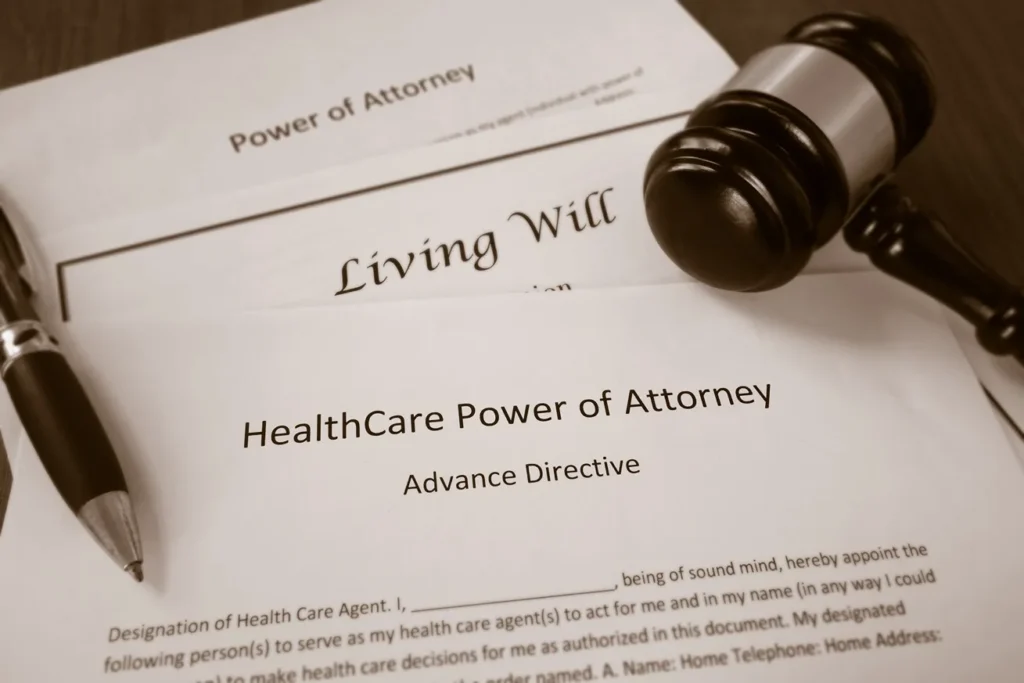 A living trust can help bypass the probate process and ensure a quicker distribution of assets. A living trust is an estate planning tool that enables one to designate the beneficiaries of their property upon their passing. Assets held within a living trust are not subject to any probate proceedings. This ensures that assets are distributed quickly and according to the wishes of the deceased.
Establishing a living trust involves the following steps:
- Formulating a trust document
- Deciding whether to enlist the services of an attorney or to proceed independently
- Signing and notarizing the trust agreement
- Transferring assets into the trust
Managing a revocable living trust involves the transfer of assets during the grantor’s lifetime and to their heirs.
Designating Beneficiaries and Joint Ownership
Designating beneficiaries and joint ownership can also help avoid probate and simplify asset distribution. Designating beneficiaries involves selecting individuals or entities to receive one’s assets or benefits upon death. This can be done by completing a beneficiary designation form for each asset or account.
Joint ownership, on the other hand, is a form of ownership wherein two or more individuals share ownership of an asset, such as property or a bank account. When a property is owned jointly with the right of survivorship, the share of the deceased owner automatically transfers to the surviving owner(s) without the need for probate.
The Impact of State Laws on Probate
Probate procedures and asset distribution can be influenced by state laws. Since each state has its unique probate laws, consulting the specific laws of the concerned state is necessary. This is particularly important when dealing with community property considerations, which may also impact the distribution of assets in certain states.
Variations in Probate Law by State
Probate laws vary by state, affecting the process and requirements for estate administration. Each state has its own set of laws and regulations concerning probate, which determine:
- How assets are distributed after someone’s death
- Who is eligible to inherit
- The order of priority for distribution
- The process for administering the estate
Some examples of states with distinct probate regulations include:
- Georgia
- Florida
- Texas
- Montana
It is crucial to understand the specific probate laws in the state where the deceased person resided to ensure a smooth and efficient administration of their estate.
Community Property Considerations
Community property considerations may also impact the distribution of assets in certain states. Community property is a legal distinction in certain U.S. states that designates assets owned by a married individual, wherein both spouses have equal ownership rights to the property acquired during the marriage. However, it should be noted that community property rules do not govern inheritance.
In probate, community property is normally divided equally between the surviving spouse and the deceased spouse’s heirs. Consequently, the surviving spouse may be entitled to a considerable proportion of the community property, while the other assets may be allocated per the deceased spouse’s will or state intestacy laws.
How Prince Contreras PLLC Can Help You
 Understanding the probate process is essential for effectively managing a deceased person’s estate and ensuring a smooth distribution of assets to beneficiaries. By familiarizing yourself with the essentials of probate, the triggering events that necessitate probate, strategies to avoid lengthy probate processes, and the impact of state laws, you will be better equipped to navigate this complex legal process.
While dealing with the probate process and estate planning might pose challenges, the proficient attorneys at Prince Contreras PLLC are ready to assist. We provide experienced and seasoned legal assistance in managing the probate process and ensuring a smooth and efficient administration of your loved one’s estate. Our personalized attention and communication ensure that your case is handled professionally and with the utmost care.
At Prince Contreras PLLC, we understand the intricacies of probate and estate planning and are dedicated to providing the highest quality service for our clients. To learn more about how we can help you, call us at 210-227-7821.
Frequently Asked Questions
Which of the following items will pass through probate?
Assets that are titled in the decedent’s sole name and do not have any beneficiary designations, such as bank or investment accounts, stocks, and bonds, will pass through probate.
Which is the correct order of payment from an estate?
The correct order of payment from an estate is usually fees, funeral expenses, family allowance, and taxes, followed by any other creditors’ claims. All creditors in a certain group must be paid before creditors in the next priority group can be paid.
What is probate?
Probate is the legal process of administering a deceased individual’s estate, involving the distribution of assets and settlement of debts and taxes.
When is probate necessary?
Probate is necessary when a person dies without a valid will or other estate planning documents in place. Assets subject to probate must also go through the probate process.
How long does the probate process take?
The duration of probate varies based on factors like the complexity of the estate, potential disputes, and state regulations. Simple estates may conclude in a few months, while more complex ones could take a year or longer. Timely and efficient navigation of the process is often facilitated with the assistance of an experienced probate attorney.
Can I avoid probate entirely?
Yes, certain estate planning strategies can help bypass probate. Establishing living trusts, designating beneficiaries on accounts, and utilizing joint ownership arrangements are common methods to avoid probate for specific assets. Consulting with an estate planning attorney from Prince Contreras PLLC can provide personalized guidance on minimizing the probate impact on your estate.
What happens if there is no will?
When there’s no will (intestacy), state laws dictate the distribution of assets. The court appoints an administrator to oversee the probate process and distribute assets to heirs according to the state’s intestate succession laws. It’s essential to seek legal advice to understand the implications of intestacy and navigate the process effectively.
How can an attorney help with the probate process?
An experienced probate attorney can provide invaluable assistance by guiding you through the legal requirements, ensuring proper documentation, representing your interests in court, and helping resolve potential disputes. Their experience and knowledge streamline the process, minimize delays, and facilitate the efficient administration and distribution of the estate.



Request Your Free
Consultation
While this website provides general information, it does
not constitute legal advice.
Fields Marked With An “ * ” Are Required
"*" indicates required fields

