342 W. Woodlawn Ave Suite 300 San Antonio, TX 78212

Get My Free Consultation
What to Expect at Your First Family Court Hearing
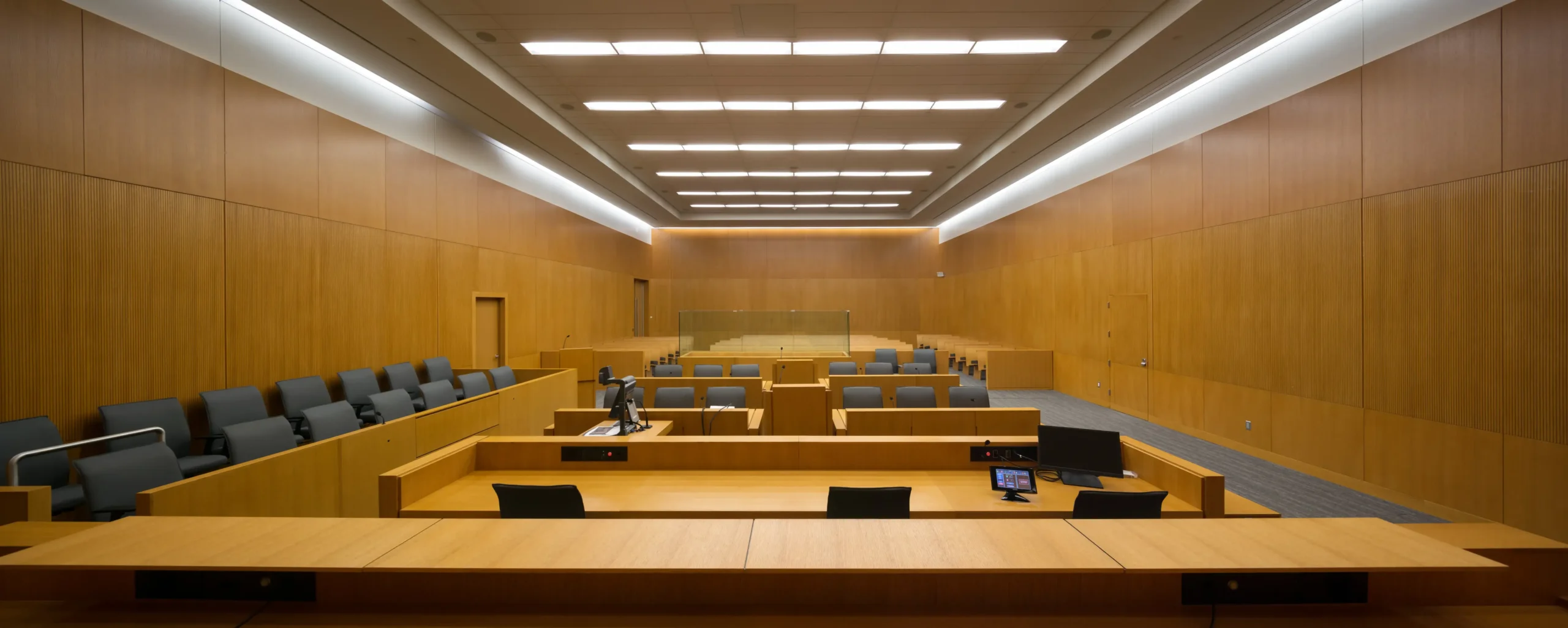
Your first family court hearing is typically a short proceeding where the judge addresses temporary matters, schedules the case, or both. It is not a trial. No final decisions about custody, property, or divorce are made that day. But what does happen can set the tone for your entire case, and walking in without knowing what to expect makes an already stressful day harder than it needs to be.
What Type of Hearing It Probably Is
In San Antonio, family law cases move through Bexar County’s family district courts. Your first scheduled court date will usually be one of two things: a temporary orders hearing or a status conference.
Temporary Orders
A temporary orders hearing is more substantive. This is where a judge can put temporary rules in place while the case is pending, things like where the children will live, which parent pays which bills, who stays in the family home, and what contact each parent has with the kids. Temporary orders under Texas Family Code § 105.001 or § 6.502 are meant to keep things stable while the case moves forward, not to decide the final outcome.
Status Conference
A status conference is shorter and more administrative. The judge checks in on where the case stands, sets deadlines, and may schedule future hearings. Less is decided, but attendance is still required and how you present yourself still matters.
If you are not sure which type of hearing you have been scheduled for, check the paperwork you received from the court or from the other party’s attorney.
What Happens in the Courtroom
Bexar County family courts move quickly. Dockets are busy, and judges are handling multiple cases on the same day. Your hearing may last anywhere from ten minutes to an hour depending on what is contested and whether both sides have reached any agreements beforehand.
When your case is called, you and your attorney will approach. The judge may ask questions, hear brief arguments, or review documents. If it is a temporary orders hearing, both sides may present evidence or call witnesses, though this varies by situation. The judge will either issue rulings from the bench or follow up shortly after.
A few things to keep in mind about how the courtroom works:
- Speak only when the judge or your attorney asks you to
- Address the judge as “Your Honor”
- Do not interrupt the other party or their attorney, even if something said is inaccurate
- Turn your phone off before entering the courtroom
- Arrive at least 15 minutes early so you are not rushed when your name is called
What to Bring With You
Being prepared makes a difference. Depending on the type of hearing, you may need documentation that supports your position. General items to have with you include:
- A copy of any court filings related to your case
- Financial documents if income, support, or property is being discussed
- Any written agreements or communications relevant to the issues before the judge
- A notebook to write down what the judge says and any deadlines set that day
Your family law attorney will tell you if anything specific needs to be gathered before the hearing. Do not bring documents to the courthouse that you have not already reviewed with your attorney.
What the Judge Might Decide That Day
If the hearing involves temporary orders, the judge can make binding decisions that go into effect immediately. These are not final, but they are real. A temporary custody arrangement, a support amount, or an exclusive right to remain in the family home can all be ordered at this stage.
Temporary orders remain in place until the court modifies them or a final order is entered. That means the outcome of your first hearing can shape day-to-day life for months while your case works through the system.
A temporary order that goes the wrong direction is not impossible to fix, but changing it takes additional time and a return trip to court. Going in prepared matters more than most people realize before that first date arrives.
How You Present Yourself Matters
Judges in family court notice how people conduct themselves, both inside the courtroom and in the hallway outside it. If the other party or their attorney is present before or after the hearing, avoid any kind of confrontation. The courtroom is not the only place impressions are formed.
Once inside, stay calm and let your attorney lead. If you are asked to speak directly, answer the question that was asked and stop there. Volunteering extra information or becoming visibly upset can undercut your credibility with the judge even when your position is the stronger one.
What you wear matters too. Treat it the way you would treat a job interview, with business casual being the baseline.
Going Into Your First Hearing in San Antonio
A first family court hearing can feel like a lot when the outcome touches your children, your home, or your financial stability. You do not have to walk in guessing.
Prince Contreras PLLC works with clients in San Antonio and throughout Bexar County on divorce, custody, and family law matters. Our attorneys will prepare you for what to expect, what to bring, and how to present your situation clearly from the start. We offer free consultations, so there is no cost to get your questions answered before your hearing date arrives. Contact us online or call 210.227.7821 today.
Prince Contreras PLLC – San Antonio Office
342 W. Woodlawn Ave Suite 300
San Antonio, TX 78212
Phone: (210) 610 2016
Fax: (210) 320 1066

Request Your Free
Consultation
While this website provides general information, it does
not constitute legal advice.
Fields Marked With An “ * ” Are Required
"*" indicates required fields

